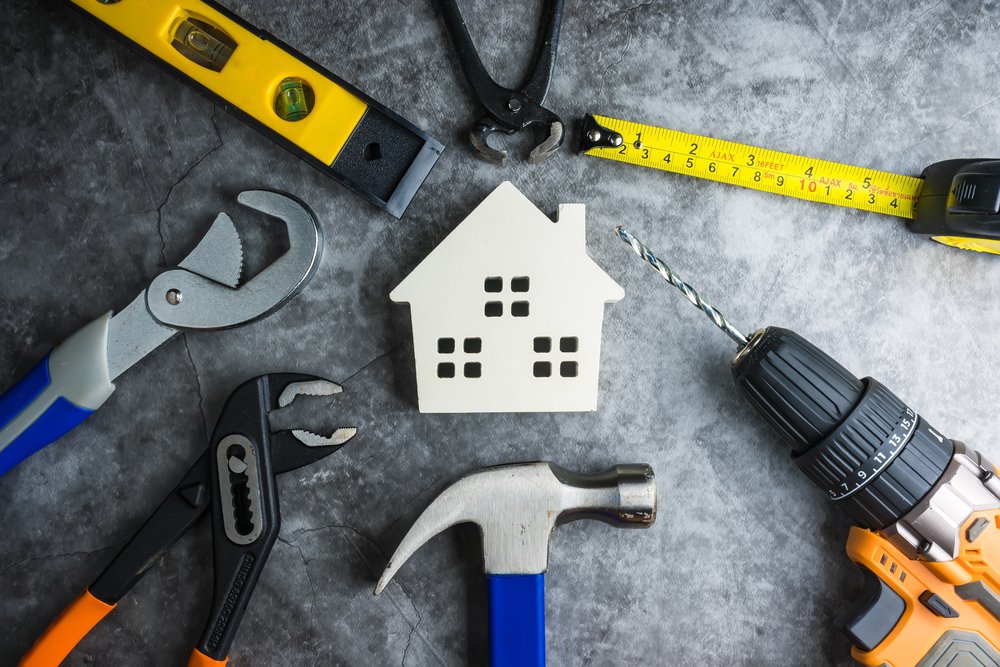

Owning a home brings long-term financial benefits, but ongoing expenses require careful planning. Many homeowners underestimate how quickly home maintenance costs can affect monthly budgets.
Routine upkeep helps prevent larger repair bills later. Small issues often become expensive problems when maintenance gets delayed. Creating a practical maintenance plan helps homeowners protect both their property and finances.
Many buyers focus heavily on down payments, closing costs, and monthly loan payments. Maintenance expenses often receive less attention during the buying process.
Older homes may require more frequent repairs, especially in Texas climates with extreme heat, storms, and shifting soil conditions. Roofing, HVAC systems, plumbing, and foundations all experience wear over time.
Even newer homes require ongoing care. Air filters, landscaping, gutters, appliances, and irrigation systems need regular attention to avoid long-term damage.
Unexpected repairs create financial pressure when homeowners lack emergency savings. A broken water heater or roof leak can quickly disrupt monthly budgets.
Waiting until repairs appear often leads to rushed financial decisions. Planning ahead gives homeowners more control over expenses.
Many financial professionals recommend saving one to three percent of a home's value annually for maintenance costs. A $400,000 home could require $4,000 to $12,000 yearly for upkeep and repairs.

Monthly savings contributions make large expenses easier to manage. Setting aside smaller amounts consistently reduces the impact of sudden repair bills.
Separate savings accounts also help homeowners avoid spending maintenance funds elsewhere. Dedicated accounts create clearer financial organization.
Homeowners should review maintenance budgets every year. Inflation, aging systems, and local labor costs may increase repair expenses over time.
Routine inspections help homeowners catch small issues early. Preventive maintenance often costs far less than emergency repairs.
Spring and summer are good times to inspect irrigation systems, roofing, and exterior drainage. Texas heat can place significant strain on cooling systems and outdoor materials.
Fall maintenance may include gutter cleaning, weather sealing, and furnace inspections. Winter preparation helps reduce energy waste and protects plumbing systems during colder temperatures.
Keeping a simple maintenance calendar helps homeowners stay organized. Scheduled reminders reduce the chance of overlooked repairs.
Professional inspections may also uncover hidden issues before they worsen. Early detection helps homeowners avoid larger structural or mechanical problems later.
Not every repair requires immediate attention. Prioritizing projects helps homeowners manage costs more effectively.
Safety-related repairs should usually come first. Electrical issues, water damage, mold, and structural concerns may worsen quickly if ignored.
Systems that affect daily living also deserve attention. HVAC failures, plumbing leaks, and roofing problems can disrupt normal routines and increase damage risks.
Cosmetic upgrades may wait when budgets are tight. Paint colors, decorative fixtures, and non-essential remodeling projects rarely create urgent financial risks.
Homeowners benefit from keeping a running repair list throughout the year. Organized records make budgeting and scheduling easier over time.
Consistent upkeep often extends the life of major home systems. Small maintenance tasks may prevent larger replacement costs later.
Changing HVAC filters regularly improves system efficiency and airflow. Proper drainage also helps protect foundations from water-related damage.
Tree trimming, roof inspections, and appliance servicing support long-term property condition. These tasks may reduce the likelihood of emergency repairs.
Homeowners should also keep records of completed maintenance work. Service receipts and inspection reports may help during insurance claims or future resale transactions.
Energy-efficient upgrades may lower utility costs as well. Improved insulation, smart thermostats, and updated windows can reduce monthly expenses.
Some repairs eventually exceed standard savings reserves. Major roofing, foundation, or plumbing projects may require additional financial planning.
Refinancing may help some homeowners improve monthly cash flow or access equity for large repair projects. Lower interest rates or adjusted loan terms can support broader financial goals.
Certain homeowners may also benefit from cash-out refinancing strategies. This approach may provide funding for substantial repairs or home improvements.
Loan structure and long-term affordability should remain priorities during refinancing decisions. Homeowners benefit from reviewing both current expenses and future financial plans.
Conventional Loans and FHA Loans may also support buyers purchasing homes that need moderate updates or repairs. Financing flexibility can help homeowners manage both ownership and maintenance costs more effectively.
Deferred maintenance can create long-term financial consequences. Buyers often notice visible signs of neglect during inspections and property showings.
Roof damage, foundation cracks, outdated systems, and water stains may reduce buyer confidence. Repair delays can also affect appraisal values during refinancing or resale.
Insurance companies may raise premiums when properties show signs of poor maintenance. Some policies may even limit coverage for unresolved issues.
Routine upkeep helps preserve both comfort and property value. Well-maintained homes often attract stronger offers and smoother transactions.
Consistent maintenance also supports neighborhood property standards. Homes in better condition may contribute to stronger local market values over time.
Homeownership requires ongoing financial planning beyond the initial purchase. Organized maintenance strategies help reduce stress and unexpected expenses.
Annual inspections, emergency savings, and preventive repairs all support long-term property stability. Homeowners who plan ahead often avoid larger financial setbacks later.
Tracking repair timelines also helps homeowners prepare for future replacement costs. Roofs, HVAC systems, and appliances all follow general life expectancy ranges.
Financial flexibility becomes especially important during changing economic conditions. Stable budgeting habits help homeowners adapt more confidently to rising costs.
Routine home maintenance protects more than physical property. It also supports long-term financial stability and preserves home value over time.
The Ray Campbell Team helps homeowners review financing solutions that align with maintenance goals, repair planning, and long-term affordability. Our team offers guidance on Conventional Loans, FHA Loans, and Refinancing options designed to support changing financial needs.
Contact us today to explore financing strategies that help protect your home and budget.
Disclaimer: BAY CAPITAL MORTGAGE CORPORATION NMLS ID 39610 | LICENSED BY THE MARYLAND COMMISSIONER OF FINANCIAL REGULATION NMLS ID 39610. FOR LICENCING INFORMATION, GO TO: WWW.NMLSCONSUMERACCESS.ORG | LICENSED BY THE PENNSYLVANIA DEPARTMENT OF BANKING AND SECURITIES NMLS ID 33814 | EQUAL HOUSING OPPORTUNITY | IRVING, TX 75062 | 214-289-5562 | Bay Capital Mortgage Privacy Policy | Bay Capital Mortgage Fair Lending Statement | Texas Mortgage Banker Disclosure | Ray Campbell, Senior V.P. – Area Market Manager, NMLS ID 200493 | Bay Capital Mortgage Corporation, NMLS ID 39610 | 2553 Housley Road, Suite 200, Annapolis, MD 21401