
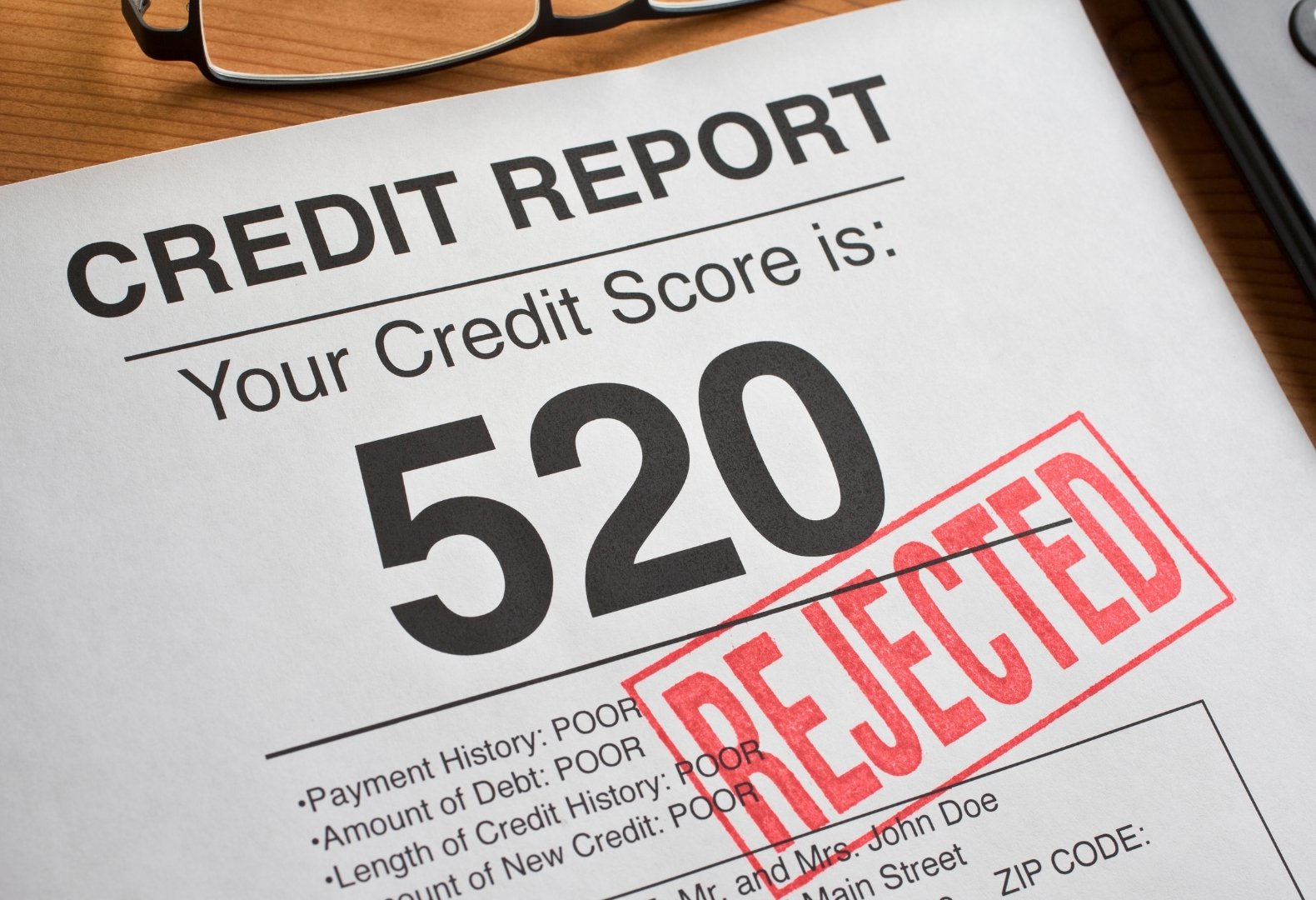

Homeowners wanting to learn how to refinance with bad credit often feel unsure about their options, especially when financial challenges start to impact long-term goals. Refinancing with lower credit scores is still possible, but it requires a clear understanding of available programs, equity position, and steps that help strengthen the overall loan application.
With the right approach, refinancing can provide stability, lower payments, or access to equity even when credit is not ideal. A refinance with lower credit scores may look different from a standard refinance, but many borrowers successfully restructure their home loan to create a more manageable financial path.
Refinancing with lower credit scores often happens during moments of financial transition. Borrowers may want more predictable payments, lower monthly obligations, or a loan that aligns better with current income and expenses. Credit challenges do not eliminate refinance options, but they do influence which strategies offer the best path forward.
Credit scores directly affect refinance pricing and program availability. Borrowers with lower scores may still qualify, but the terms may differ from those available to borrowers with stronger credit.
Understanding this relationship helps set clear expectations early in the process. The goal is to identify which refinance options remain accessible and how they support long-term goals.

Even if credit has declined, refinancing may still reduce monthly obligations or replace an Adjustable-Rate loan with a more stable structure. This can create breathing room for borrowers working toward financial recovery.
A stable home loan payment often supports stronger long-term financial habits. Borrowers should evaluate whether the new loan structure improves their overall financial picture.
Homeowners with strong equity may have more refinance opportunities even with lower credit scores. Higher equity reduces lenders' risk, which can help unlock other financing options, depending on the borrower’s situation.
Preparation plays a major role in improving refinance approval odds. Borrowers should organize documentation, review their credit history, and evaluate equity before beginning applications.
Borrowers should check their credit reports for inaccuracies, outdated information, or issues that can be resolved quickly. Even small corrections may improve the score enough to qualify for stronger loan options. Reviewing credit early allows borrowers to take proactive steps before applying.
Lenders place greater emphasis on stable income when reviewing applications from borrowers with lower credit scores. Pay stubs, tax returns, and bank statements should be prepared before the refinance process begins. This helps reduce delays and supports a stronger application.
Equity plays a major role in how to refinance with bad credit. A higher equity position may offset lower credit scores and improve the likelihood of approval. Borrowers should review estimated home values to determine their current loan-to-value ratio. This information helps determine which loan programs are realistic.
Different loan programs offer varying flexibility when credit scores are lower. Borrowers should compare multiple programs to find the most accessible path.
Conventional financing may allow refinancing with lower credit if the borrower has strong equity or compensating financial strengths. Rates may vary based on the credit profile, but borrowers can still achieve meaningful long-term improvements. Some Conventional programs also allow removal of mortgage insurance during the refinance.
VA financing is known for its flexible credit guidelines. Eligible veterans and qualifying military families may access competitive refinance options even with lower scores. VA loans do not require monthly mortgage insurance, which can reduce the overall payment.
Jumbo financing may allow refinancing with lower credit in certain cases, especially when equity is strong. Borrowers with higher-value properties should review lender-specific guidelines since requirements vary. These loans can provide options that align with long-term financial goals.
Some borrowers explore cash out refinancing to reorganize debt or consolidate multiple payments. This option may still be available with lower credit scores if equity is sufficient. Borrowers should review the impact of the new payment structure to ensure it supports long-term stability.

Borrowers with lower credit scores can still strengthen their application before and during the refinance process. These proactive steps often lead to better loan pricing or expanded program options.
Lowering credit card balances can improve credit scores quickly. Reduced utilization often results in immediate score gains. Borrowers should prioritize high-utilization accounts first. This can help widen refinance options.
A stable record of on-time payments signals strong financial responsibility even when credit scores dip. Lenders review this history closely. Borrowers should avoid any late payments leading up to the refinance. This step can build confidence in the application.
Lenders look for predictable income when evaluating risk. Borrowers should avoid major job changes during the refinance if possible. Consistency helps strengthen approval odds. This stability matters especially when credit is not ideal.
Refinancing with lower credit scores makes sense when the borrower gains long-term benefits such as improved stability, predictable payments, or better alignment with current financial goals. Borrowers should compare projected savings, new loan terms, and future plans before committing to the refinance. A well-timed refinance can help rebuild financial momentum.
Refinancing with lower credit scores requires thoughtful preparation, strong documentation, and a clear understanding of loan programs. Homeowners benefit from reviewing equity, improving credit where possible, and selecting a loan structure that strengthens financial stability.
With the right strategy, refinancing can support long-term goals even when credit challenges exist. The Ray Campbell team at Bay Capital Mortgage reviews each borrower’s full financial picture to identify refinance options that support their financial goals both now and in the future. Contact us today.
Disclaimer: BAY CAPITAL MORTGAGE CORPORATION NMLS ID 39610 | LICENSED BY THE MARYLAND COMMISSIONER OF FINANCIAL REGULATION NMLS ID 39610. FOR LICENCING INFORMATION, GO TO: WWW.NMLSCONSUMERACCESS.ORG | LICENSED BY THE PENNSYLVANIA DEPARTMENT OF BANKING AND SECURITIES NMLS ID 33814 | EQUAL HOUSING OPPORTUNITY | IRVING, TX 75062 | 214-289-5562 | Bay Capital Mortgage Privacy Policy | Bay Capital Mortgage Fair Lending Statement | Texas Mortgage Banker Disclosure | Ray Campbell, Senior V.P. – Area Market Manager, NMLS ID 200493 | Bay Capital Mortgage Corporation, NMLS ID 39610 | 2553 Housley Road, Suite 200, Annapolis, MD 21401