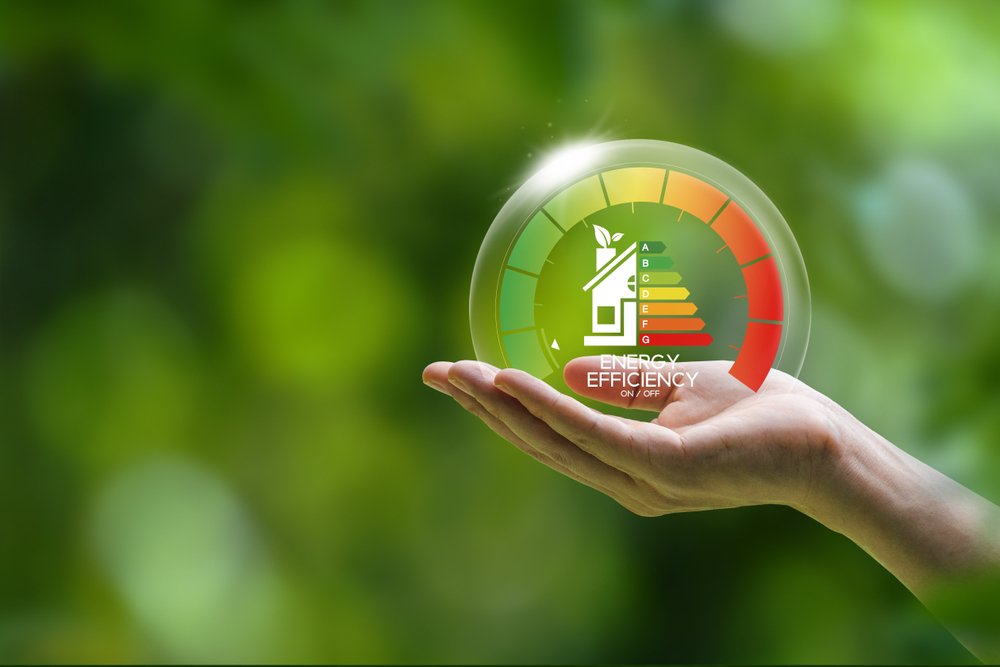

Making strategic improvements to a home serves two purposes at once: it reduces the cost of living in it today and increases what it is worth when it comes time to sell. Energy-efficient home upgrades consistently rank among the highest-returning investments a homeowner can make, with buyer demand for efficiency features growing steadily year over year.
Today, homebuyers prefer a home with energy-efficient features that lower energy costs. For Texas homeowners navigating rising utility bills and a competitive housing market, the case for these upgrades is stronger than ever.
The connection between energy efficiency and home value has become more direct in recent years. Buyers are no longer treating efficiency features as a bonus, they are factoring monthly utility costs into their purchase decisions.
According to the National Association of Realtors, 44 percent of homebuyers said utility costs were an important factor during the buying process, and 57 percent of real estate agents found promoting energy-efficient features in listings to be valuable. Homes that demonstrate lower operating costs attract more serious buyers and stronger offers.
Heating and cooling account for the largest share of energy use in most homes, making the HVAC system one of the most impactful targets for efficiency investment. A modern, energy-efficient system can reduce energy bills by 20 to 40 percent compared to older units.
From a resale standpoint, appraisers commonly adjust valuations upward by around $2,000 to $5,000 for documented, high-efficiency HVAC upgrades, and a huge percentage of buyers actively look for energy-efficient features when evaluating homes.

Homes with updated mechanical systems also sell roughly 11 to 15 days faster than those with aging units. For Texas homeowners dealing with extreme summer heat, an HVAC upgrade is among the most practical and financially rewarding energy-efficient home upgrades available.
Drafty windows and outdated doors are among the most common sources of energy loss in older homes. Replacing them with energy-efficient models reduces heating and cooling demand and improves comfort year-round. ENERGY STAR-certified windows can save homeowners around $125 to $465 annually on energy bills, while also reducing the strain placed on HVAC systems.
From a value perspective, energy-efficient window replacements can recover around 70 to 80 percent of their cost at resale. Steel entry door replacements are known to perform even stronger. Both upgrades signal to buyers that the home has been well-maintained and thoughtfully updated, which supports stronger offers and faster closings.
Improved insulation is one of the most cost-effective energy-efficient home upgrades available, and one of the most underutilized. Many homes, especially those built before 2000, lose significant heating and cooling through the attic, walls, and crawl spaces. Modern insulation materials are more efficient than older versions and can recover more than 100 percent of their cost at resale.
Air sealing, which addresses gaps around doors, windows, electrical outlets, and penetrations in the building envelope, compounds the benefit of insulation by preventing conditioned air from escaping. Together, these upgrades reduce the workload on HVAC systems and lower monthly utility costs, both of which make a home more attractive and more affordable for the next buyer.
Solar panels represent a larger upfront investment than most other energy-efficient home upgrades, but the value they add to a home has grown significantly. According to a 2025 study, homes with owned solar systems sell for an average of 6.9 percent more than comparable non-solar homes, up from 4.1 percent in 2019.
It is worth noting that owned systems, not leased, are what generate the value premium. Buyers often view leased systems as a liability rather than an asset due to the contract obligations they inherit.
Smart thermostats are among the lowest-cost, highest-visibility energy-efficient home upgrades a homeowner can make. They allow automated temperature scheduling and remote control through a smartphone, learning occupancy patterns over time to reduce energy waste. Installation costs have dropped significantly in recent years, and the devices appeal immediately to tech-savvy buyers who see them as a signal of a well-managed home.
When paired with improved insulation and a high-efficiency HVAC system, smart thermostats multiply the savings from each individual upgrade. These upgrades also make strong listing copy, as buyers can immediately picture lower monthly bills without needing to calculate anything themselves.

Energy-efficient home upgrades affect more than monthly utility bills. They influence a home's appraised value, which in turn affects how much equity is available for refinancing or sale. Homeowners who have built equity through upgrades gain access to better refinancing terms, and those buying energy-efficient homes may qualify for green mortgage programs that reward efficiency improvements with favorable financing.
For buyers, lower operating costs can improve debt-to-income ratios when calculating affordability. Staying informed about the full costs of homeownership, including utility expenses, helps homeowners make upgrade decisions that pay off both immediately and at resale.
The most effective energy-efficient home upgrades share a common trait: they reduce what it costs to live in the home while increasing what the home is worth on the open market. These five upgrades deliver consistently strong results across both measures.
Each of these improvements addresses a specific source of energy loss and buyer concern. Prioritizing them based on the home's current condition and local market expectations helps homeowners invest where the return is greatest.
The Ray Campbell Team helps homeowners evaluate financing options for energy-efficient improvements, including Refinancing to access equity built up in the home and put it toward upgrades that increase its value further.
Whether you are planning a targeted upgrade like a new HVAC system or a broader renovation that includes insulation, windows, and solar, we can help you find the right loan program that best fits your needs. Contact us today.
Disclaimer: BAY CAPITAL MORTGAGE CORPORATION NMLS ID 39610 | LICENSED BY THE MARYLAND COMMISSIONER OF FINANCIAL REGULATION NMLS ID 39610. FOR LICENCING INFORMATION, GO TO: WWW.NMLSCONSUMERACCESS.ORG | LICENSED BY THE PENNSYLVANIA DEPARTMENT OF BANKING AND SECURITIES NMLS ID 33814 | EQUAL HOUSING OPPORTUNITY | IRVING, TX 75062 | 214-289-5562 | Bay Capital Mortgage Privacy Policy | Bay Capital Mortgage Fair Lending Statement | Texas Mortgage Banker Disclosure | Ray Campbell, Senior V.P. – Area Market Manager, NMLS ID 200493 | Bay Capital Mortgage Corporation, NMLS ID 39610 | 2553 Housley Road, Suite 200, Annapolis, MD 21401