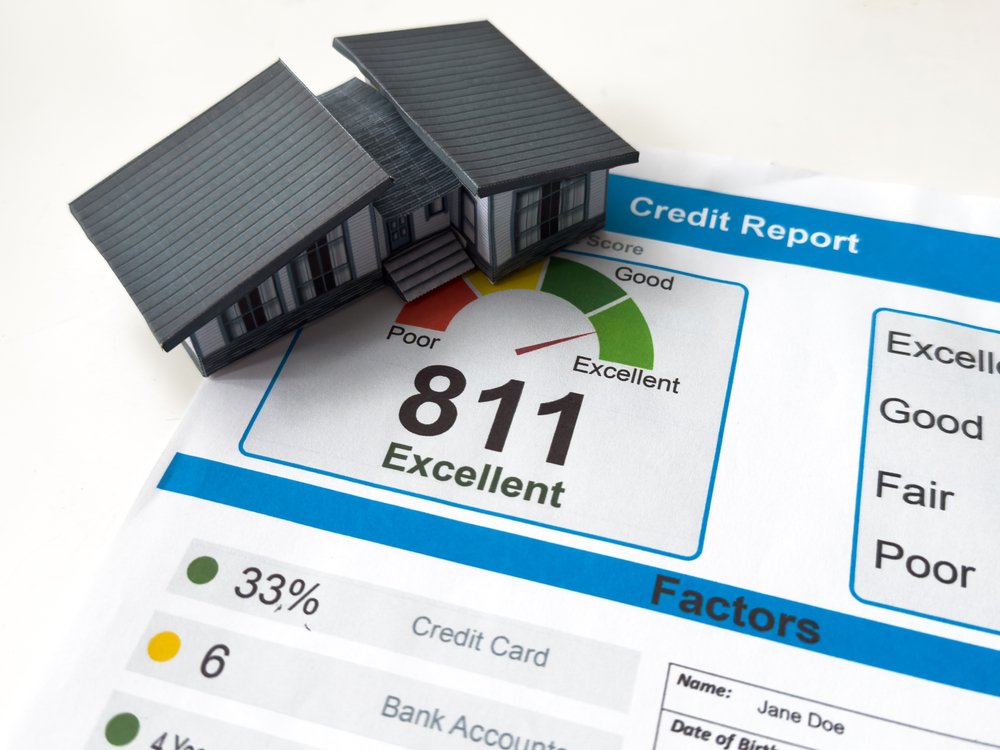

Most buyers begin the loan process by learning how their credit score for home loan approval shapes their ability to borrow. Credit scores influence interest rates, loan program eligibility, monthly payments, and the overall cost of financing a home. When buyers understand how lenders use credit scores, they gain clearer control over their homebuying strategy and strengthen their financial position from the start.
A credit score is a numerical reflection of repayment history, credit utilization, account age, and other financial patterns. Lenders review these details to estimate how likely a borrower is to manage loan payments responsibly. This score becomes a key factor in determining whether a loan is approved and what terms are offered.
The credit score gives lenders a snapshot of financial behavior. Strong scores signal consistent repayment, healthy credit usage, and responsible borrowing. This builds trust, which translates into better loan pricing and more flexible options.
Lower scores do not block buyers from homeownership. Many loan programs support borrowers with credit challenges. However, credit may influence the down payment, interest rate, or documentation required. Buyers who understand this dynamic make more informed decisions and prepare more effectively for the loan process.

Lenders follow specific guidelines that connect credit scores to loan approval. Each loan program has its own minimum score requirements, which help determine the borrower’s eligibility.
Credit scores influence three major factors. Loan approval, which determines whether a buyer qualifies for a specific program. Interest rate, which affects monthly payments and total loan cost. Loan amount, which connects the borrower’s financial profile with what they can safely afford.
Lenders look at the full financial picture, not just the score. Income stability, debt-to-income ratio, savings, and employment history also play a role. Still, credit remains one of the strongest indicators of long-term repayment ability.
Different credit score ranges influence loan outcomes in various ways. These ranges help lenders evaluate how much risk is associated with a borrower’s profile.
These general ranges work alongside other financial factors. A buyer with a fair score and strong income may qualify for more than a buyer with a higher score but unstable employment.
Interest rates directly influence monthly payments and the total cost of borrowing. A higher credit score typically leads to a lower interest rate, which can produce significant long-term savings. A lower score may increase the interest rate because lenders view the loan as riskier.
Even a small difference in rates has a noticeable impact on a 30-year loan. Buyers who strengthen their credit score before applying position themselves for better pricing and improved affordability.
Each loan program uses credit differently. Some programs are designed for borrowers with strong credit histories, while others provide flexibility for those rebuilding their credit.
Conventional financing with less than 20 percent down payment generally works well for buyers with good to excellent credit and offers competitive pricing.
VA financing is best for veterans, active-duty service members, and eligible surviving spouses, who benefit from flexible credit expectations and no-down-payment advantages.
FHA loans can accommodate buyers with lower credit scores by allowing low down payments and offering more flexible approval guidelines.
Higher-priced homes often require stronger credit profiles to meet the larger loan amounts and stricter lending standards that Jumbo loans can provide.
These options help buyers match their credit profile with the loan type that fits their needs and long-term goals.
Debt-to-income ratio (DTI) measures how much of a borrower’s income goes toward existing debts. Lenders use DTI to confirm that the borrower can manage the new home loan comfortably. A strong credit score can balance a moderate DTI, while a lower credit score may require borrowers to keep DTI tighter.
DTI and credit score work together to determine borrowing limits and overall loan readiness. Improving one or both factors expands options and may increase approval strength.
Credit may affect how much a borrower needs to put down. Conventional loans sometimes require a larger down payment for lower scores. Government-backed options may allow low or zero down payments with the right income and property qualifications.
Down payment requirements can shift depending on market conditions, interest rate trends, and the chosen loan program. A stronger score helps keep these requirements flexible.

Buyers often take several steps to strengthen their credit before applying. These steps help improve the score, reduce risk, and support cleaner approval.
These actions build financial stability that lenders recognize during underwriting.
Homeowners may revisit their credit score when exploring refinancing options. Refinancing can improve monthly payments, lower interest rates, or eliminate mortgage insurance, but the credit score influences which options are available.
Refinancing to lower payments and costs. A strong score often unlocks better pricing that reduces monthly expenses.
Cash-Out refinancing for renovations or debt consolidation. Lenders review credit and equity to confirm that the homeowner can support the new loan terms.
Improving credit after purchasing a home can open the door to more favorable refinancing opportunities later.
A buyer’s credit score for home loan approval influences rates, loan choices, and overall affordability. Strengthening credit, reviewing financial goals, and selecting the right loan type create a more confident path into homeownership. Clear preparation supports a smoother process and better long-term financial outcomes.
For guidance tailored to your financial plans and a full review of loan options, reach out to the Ray Campbell Team today.
Disclaimer: BAY CAPITAL MORTGAGE CORPORATION NMLS ID 39610 | LICENSED BY THE MARYLAND COMMISSIONER OF FINANCIAL REGULATION NMLS ID 39610. FOR LICENCING INFORMATION, GO TO: WWW.NMLSCONSUMERACCESS.ORG | LICENSED BY THE PENNSYLVANIA DEPARTMENT OF BANKING AND SECURITIES NMLS ID 33814 | EQUAL HOUSING OPPORTUNITY | IRVING, TX 75062 | 214-289-5562 | Bay Capital Mortgage Privacy Policy | Bay Capital Mortgage Fair Lending Statement | Texas Mortgage Banker Disclosure | Ray Campbell, Senior V.P. – Area Market Manager, NMLS ID 200493 | Bay Capital Mortgage Corporation, NMLS ID 39610 | 2553 Housley Road, Suite 200, Annapolis, MD 21401